
Greetings, Curiosi!
It’s only a guess, but I’m pretty sure that the average shopper hasn’t any idea of the difference between dropshipping, POD, and other manufacturing methods. Which is as it should be, I suppose, because if you’re not in “the business” there’s really not many ways to find that out. But with everything going on with Etsy and how it was invaded by people obviously either reselling or dropshipping, I thought it might be time for me to address this myself. Especially as I use POD myself, and I don’t want anyone to think I’m one of those evil dropshippers!
There’s two different methods of invasion used by resellers. Some of them will actually buy products from AliExpress or even AliBaba (the difference being that the latter is a business-to business seller, while Express is more like Temu), warehouse them, and mail them out to buyers themselves.
There’s no tariff to worry about that way that would expose the seller easily as to what they’re about, so that’s a bit insidious.
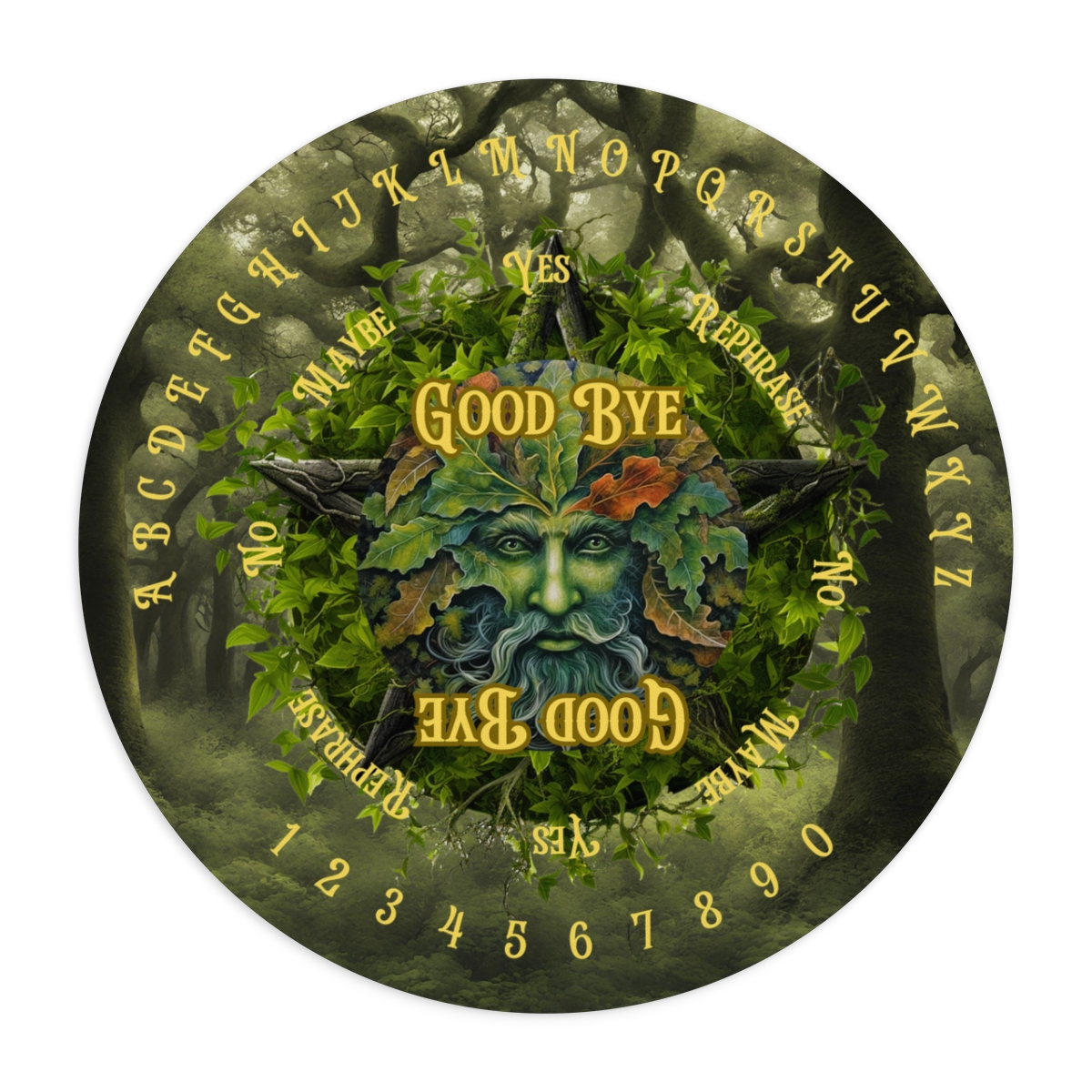
This is printed on a mousepad; there’s no way I’d do this at home!
The second way is, of course dropshipping. I think most of us are familiar with the phrase, but for those of you who might not exactly and perfectly understand the term…
Dropshipping is more likely a deal between a seller and another vendor, most likely in China. It’s not always AliBaba, there are other sources. In fact, there are platforms dedicated purely to finding manufacturers and suppliers to contract for dropshipping. In this case, you can order it from anywhere in the US, UK, wherever, but it’s most likely going to be posted from China, India, Mexico, etc.
The hardest part about dropshipping is that the Chinese resellers in particular have a habit of stealing both the idea of a product and the photos from a legitimate maker on Etsy. China has much different trademark laws, so it’s actually possible that some are doing this without even knowing it’s against the law in most other countries. China, although a country with a Communist government, has a more unfettered and more unrestricted capitalist market than we do. Food for thought, that.
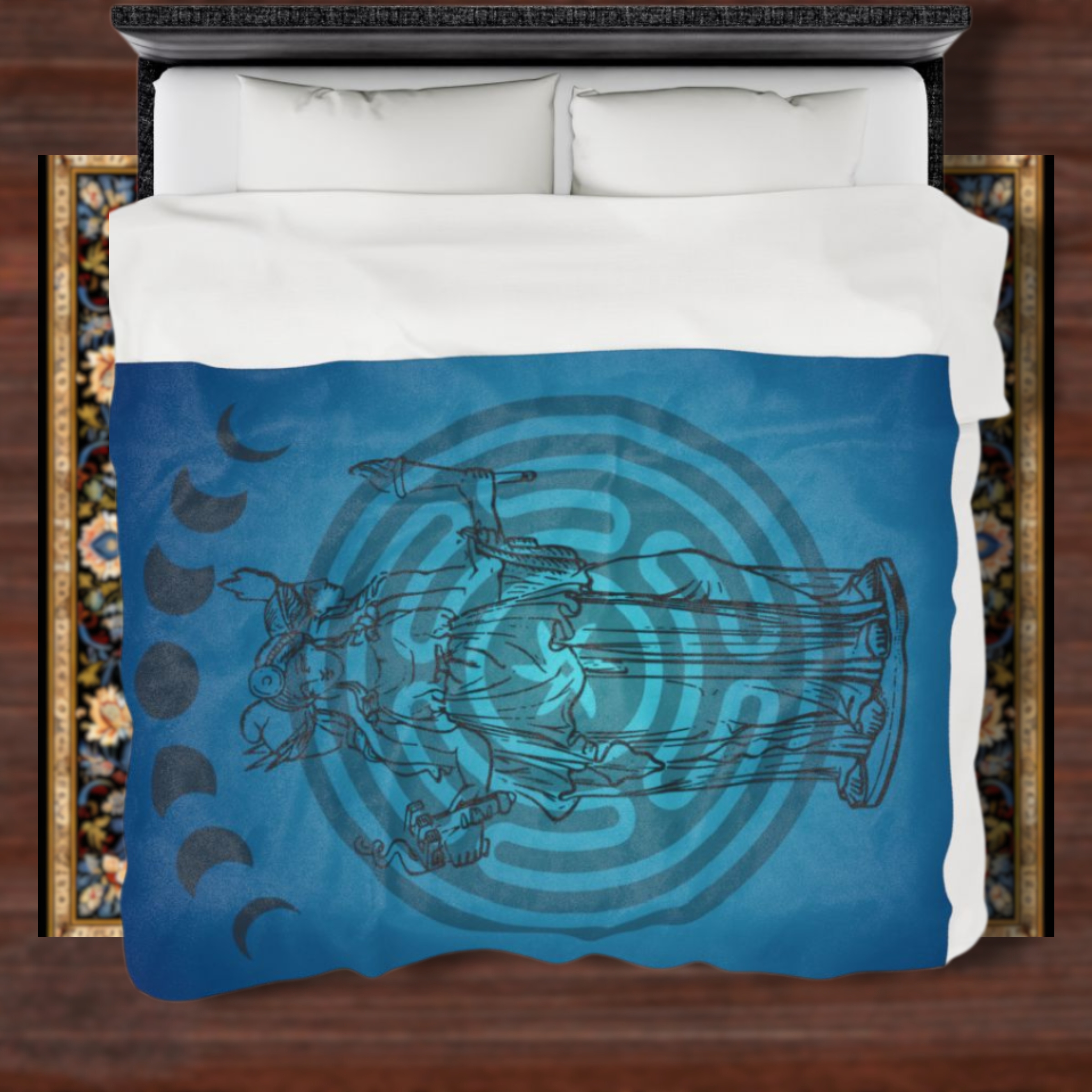
A full size blanket would be outrageously expensive to buy in bulk
The best way to figure out if an Etsy seller is a reseller or THE artist who created the item in the first place is to use a Google reverse image search and see if it pops up on one of the Chinese marketplaces; AliExpress, Temu, Shein, or Wish. Look at the specifications if it comes up on one of them. All their t-shirts will be polyester, on Etsy they’re likely to be cotton or a blend. Often, items will be made of resin or plastic instead of ceramic. There are definitely ways to tell. Also, look at the other items that the Etsy seller has in their store. If all their other items are similar and look like they were made by the same people, if they have pictures of the items being made, you’re probably safe. If not, you might want to keep looking.
Now, there’s a hybrid that can *look* like it’s dropshipping, but it’s technically not. That’s known as “white labeling.” If there’s an artist who has such amazing sales that they can’t keep up with demand on their own, they might either hire people for their own production company OR they might give the design elements to another manufacturer to create it for them. It’s still out of the artists’ head, but in order to keep up they just can’t make it themselves. Etsy still considers this “handmade,” although its most likely someone else’s hands making them. 😉

52 cards, front and back? I think I’d rather have someone else print them, it would take me FOREVER
White labeling is made from a huge array of products, including an awful lot of beauty and self-care products. If you follow any of that, the Urban Decay setting spray is a perfect example of this; they had a contract with a different company to make that product under their own name brand, and recently broke that contract and began making their own formula. It sort of caused a stink. 😆In fact, many beauty brands use out-of-the country manufacturing, some even using the same ones.
Otherwise known as “Print-on-Demand,” POD involves using a printer or several printers to create the products that the artist has created. It’s the easiest method for artists whether it’s their physical art, digital art, or AI-assisted art. The design is sent to the printer digitally, they place it on the product and ship it. POD relieves the artist from the drudge work and a LOT of expenses. I couldn’t *possibly* buy all the equipment needed for all the various methods of print on the different range of products available. It also relives us of having to have warehouse space, and putting out outrageous amounts of money buying products to be printed at wholesale prices and quantity. (YIKES!)
Most of us smaller sellers could never afford what it would take to print everything ourselves.
Print on demand is the ultimate compromise. It’s still being made by hand (much like white labeling), just not the artists’ hands. The vast majority of printers I work with are in the US, but because I use a company that is another platform/marketplace, I have access to printers all over the place. The t-shirts in my shop, as an example, are printed in nearly every delivery zone; US, UK, EU, AUS, and CAN. I can have them printed at the location closest to the buyer which means a lot less postage time, a lost less postage cost, and no worries about tariffs. It’s a huge advantage.

Overseas printers makes my life so much easier!
Also, POD handles all the tariff laws. The US isn’t the only country that has them, it’s just the one that implemented them in the worst way possible. There’s also laws like the GPSR in the EU which requires an artist to have someone in the EU who will essentially testify to the quality and safety of the product. Using a print provider, I don’t have to worry about that; if I were printing from home, likely I’d be unable to sell overseas at all, at least to the EU. Many handmade artists had to stop selling to the EU when that law passed there.
Annnnnd…I’m over 1000 words again! It’s amazing how long I can wax poetic about the mundane, isn’t it? To finish this off, my creations are still my creations. They come out of my head. But POD makes bringing them into reality a heckuva lot easier. I’d never be able to do this business if it weren’t for them.
~*~Camylleon~*~
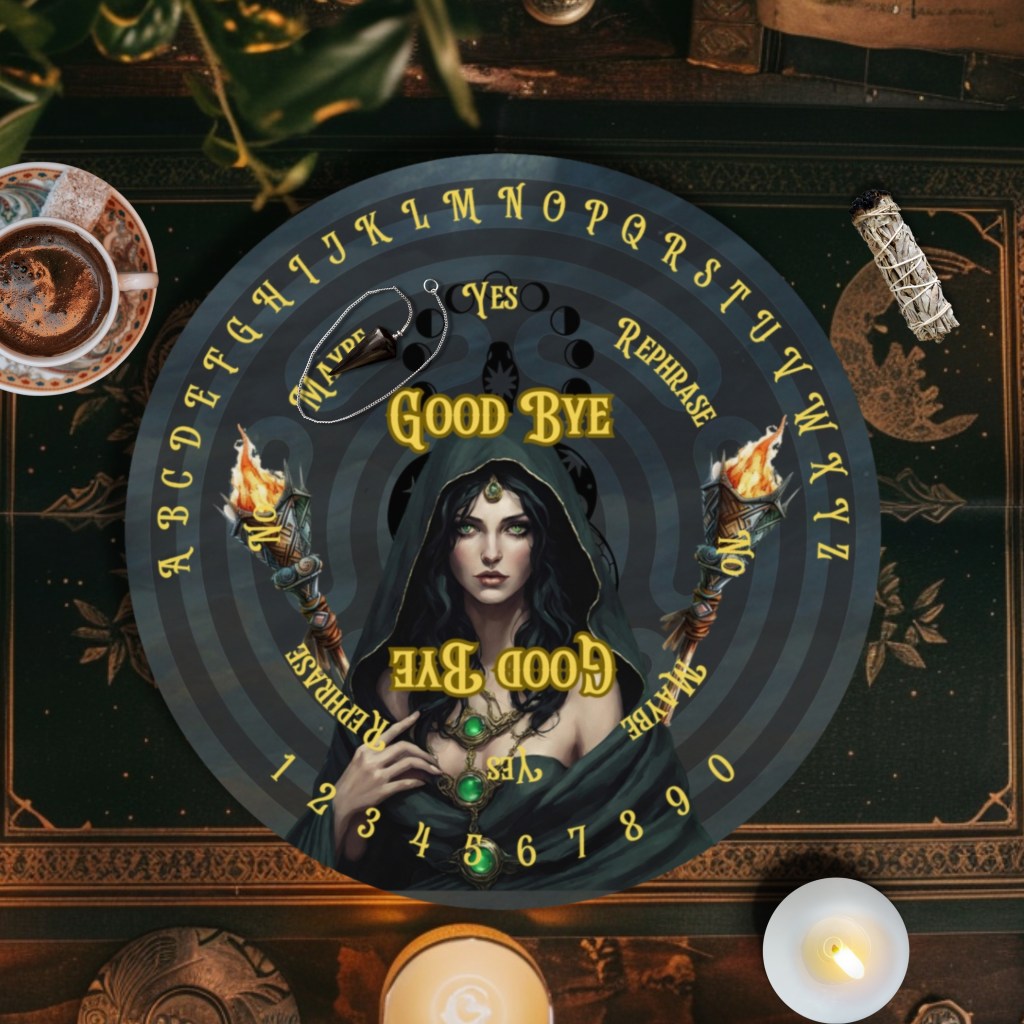
 High Spirits Divine